
If you own, or are thinking about buying, a Sierra cart, the battery is the single most important component you’ll deal with long-term. Not the seats. Not the lights. Not the wheels. The battery.
And yet, most people don’t think about it at all until something goes wrong.
Colorado adds another layer to this conversation. Cold weather, elevation, and local driving laws all play a role in how Sierra golf cart batteries perform and how long they last.
So let’s talk about it in plain English.
What Kind of Batteries Do Sierra Carts Use?
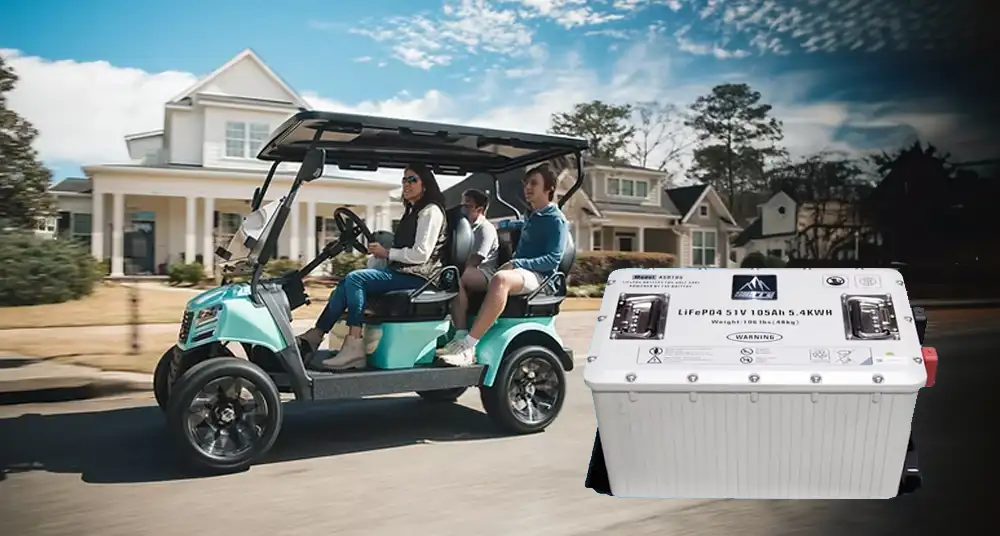
Most modern Sierra carts are designed around lithium battery systems, though some older or entry-level builds may still use lead-acid setups depending on configuration.
Here’s the quick reality check
lead-acid batteries are cheaper up front
lithium batteries cost more initially
lithium wins almost everywhere else
Lithium batteries are lighter, charge faster, last longer, and require way less maintenance. That’s especially important in Colorado where temperature swings can be brutal.
If you’re looking at newer Sierra Golf Carts, you’ll notice lithium is becoming the standard for a reason.
Cold Weather Changes Everything in Colorado
Colorado winters are no joke, and batteries feel it.
Lead-acid batteries lose efficiency fast when temperatures drop. Range decreases, charging slows, and lifespan takes a hit if they’re not maintained carefully.
Lithium batteries handle cold better overall, though they still don’t love extreme temps. The difference is lithium systems usually include built-in battery management systems that protect the battery from damage.
Translation
less babysitting
fewer dead batteries
more reliable winter use
If you plan to use your Sierra cart year-round, battery choice isn’t optional. It’s critical.
How Long Do Sierra Golf Cart Batteries Actually Last?
This depends on the battery type and how the cart is used.
Typical lifespan looks like this
lead-acid batteries: 3 to 5 years
lithium batteries: 8 to 12 years
That’s not marketing hype. That’s real-world ownership data.
Colorado owners who store their carts properly and avoid deep discharges tend to see the higher end of those ranges, especially with lithium systems.
Charging in Colorado: Garages, Outlets, and Elevation
Charging a Sierra cart in Colorado is generally straightforward, but there are a few things people don’t think about.
Higher elevation can slightly affect charging efficiency, though not enough to be a major concern with modern chargers. What matters more is where and how you charge.
Indoor garages are ideal
heated spaces extend battery life
outdoor charging in winter shortens lifespan
Lithium chargers are smarter and safer, which matters if your cart is classified as an LSV and stored in attached garages.
Battery Weight and Why It Matters for Street Use
Battery weight affects more than just range.
Heavier lead-acid setups change how the cart handles, brakes, and accelerates. For carts driven on neighborhood roads, especially in hilly Colorado terrain, that matters.
Lithium batteries reduce overall weight, improve torque delivery, and make Sierra carts feel more stable and responsive.
That’s one reason many street-capable Sierra builds are paired with lithium systems.
Maintenance Realities Most People Don’t Want to Hear
Lead-acid batteries require
watering
terminal cleaning
voltage balancing
regular inspection
Lithium batteries require almost none of that.
If you want a cart that just works, lithium is the clear winner. This matters even more if your Sierra is registered, insured, and used regularly on public roads.
FAQs About Sierra Golf Cart Batteries
Not directly, but indirectly yes. If your Sierra cart is registered as an LSV, reliability and safety become more important. Lithium batteries are less prone to sudden failure, which can matter if you’re driving on public roads.
It can. A cart that struggles to maintain speed due to weak batteries may draw attention from law enforcement, especially if it can’t safely operate with traffic on roads where LSVs are allowed.
Generally yes. Modern lithium systems include safety controls that reduce fire risk and electrical issues. This matters in residential areas, attached garages, and HOAs that regulate vehicle storage.
Cold doesn’t change the law, but it can affect reliability. If your cart becomes unpredictable or stalls due to battery issues, that can create safety concerns on public or shared roads.
Yes, as long as the upgrade doesn’t change the cart’s classification or exceed speed limits set by local or state law. Battery upgrades that improve reliability are usually seen as a positive.
Final Thoughts
Sierra golf cart batteries aren’t just about power. They’re about reliability, safety, and how your cart fits into Colorado’s climate and legal landscape.
Choose the right battery once, and you’ll enjoy your cart for years. Choose wrong, and you’ll be dealing with issues long before the cart itself wears out.
Disclaimer
This article is for general informational purposes only. Golf cart battery requirements, vehicle classifications, and usage laws can vary by city, county, HOA, and may change over time. Always research and confirm regulations within your specific community prior to operating or modifying any golf cart.